
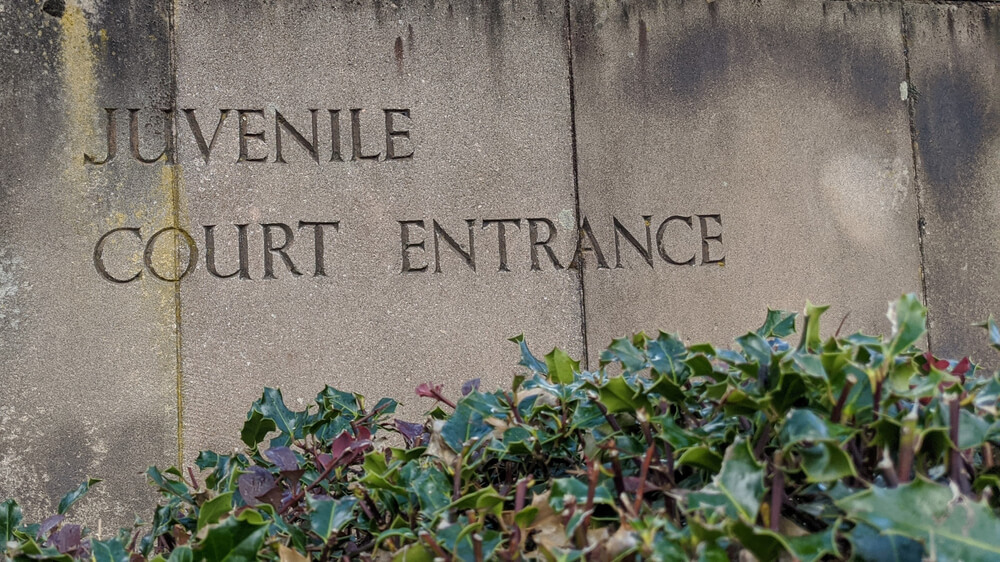
Understanding the Juvenile Justice System in Auburn: A Guide for Parents
Few moments in a parent’s life are as terrifying as receiving a late-night call from the Auburn Police Division or the Lee County Sheriff’s Office stating that your child has been detained. Whether the incident occurred near the high school, downtown on College Street near the university campus, or during a traffic stop on I-85, the sudden collision with the legal system can feel overwhelming. In these frantic moments, parents often fear that a single youthful error or a momentary lapse in judgment will permanently derail their child’s education and future opportunities.
What Should I Do Immediately After My Child is Detained in Auburn?
If your child is detained, remain calm, locate exactly where they are being held, and instruct them to remain silent until you have retained an attorney to protect their rights.
When a minor is taken into custody in Lee County, the police generally transport them to the police station for processing or directly to the Juvenile Intake Office. Your immediate actions during this critical window can significantly influence the outcome of the case. Parents often feel an intense urge to fix the situation immediately by encouraging their child to explain what happened to the officers. This is a natural instinct, but it is legally dangerous.
While you may want to cooperate fully to resolve the situation quickly, juvenile suspects have the same constitutional rights as adults. In Auburn, police officers are trained to gather evidence. Statements made by your child in a confused, frightened, or pressured state can be used against them later in court. Even innocent statements can be misinterpreted or twisted to fit a narrative of guilt. Instead of questioning your child about the incident in front of officers or urging them to tell the truth to the police, politely but firmly inform the authorities that you wish to consult with an attorney before answering any questions.
You must also determine your child’s physical location. Depending on the arresting agency, they may be at the Auburn Police Division headquarters or they may have been transported to the Lee County Justice Center in Opelika. If the allegations are serious, the intake officer may authorize detention at the Lee County Youth Development Center. Knowing where they are is the first step in securing their release.
Key Steps to Take Immediately
- Remain Calm and Polite: Aggression toward officers can lead to additional charges or complicate the release process.
- Locate Your Child: Confirm if they are being held at a local precinct or have been transferred to the juvenile facility in Opelika.
- Assert Rights Clearly: Instruct your child to say that they want to remain silent and want a lawyer, and then to stop talking immediately.
- Do Not Discuss the Incident: Avoid discussing the details of the alleged offense over jail phones or in waiting areas, as these conversations are frequently recorded and can be used as evidence.
How Does the Juvenile Court Process Work in Lee County?
The process begins with an intake officer who decides whether to file a petition, followed by potential hearings at the Lee County Justice Center to determine delinquency and appropriate consequences.
Unlike the adult system where a suspect is booked and waits for a bond hearing, the juvenile system in Alabama relies heavily on the Juvenile Intake Officer. In Lee County, this officer acts as a powerful gatekeeper for the court system. When the police present a complaint, the intake officer reviews the allegations and the child’s history to make a preliminary decision on how to proceed. This is a critical stage where an experienced attorney can sometimes intervene before a formal case is even filed.
The intake officer has several options available to them. They can dismiss the case entirely if the evidence is weak or insufficient. They may choose to resolve the matter informally through a counsel and release agreement, which avoids court intervention. However, if the offense is serious, they will file a formal petition of delinquency. If a formal petition is filed, the officer must also decide whether the child can be released into the custody of their parents or if they must be detained pending a hearing. This decision often depends on the severity of the charge and whether the child is considered a flight risk or a danger to the community.
If the case proceeds to court, it will be heard in the Lee County District Court, Juvenile Division. There are no juries in juvenile court. Instead, a judge hears the evidence and decides the outcome. The process typically involves two main hearings. The first is the Adjudicatory Hearing, which serves as the trial phase where the prosecutor must prove the allegations beyond a reasonable doubt. The second is the Dispositional Hearing, where the judge determines the consequences if the child is found delinquent.
Potential Outcomes in Juvenile Court
- Dismissal: The case is thrown out due to lack of evidence or a successful defense strategy.
- Consent Decree: The case is suspended while the child completes specific requirements, leading to dismissal upon success.
- Probation: The child remains at home but must follow strict rules and report to a juvenile probation officer.
- Commitment: In serious cases, the child may be sent to a facility operated by the Department of Youth Services.
Will One Mistake Ruin My Child’s Future Opportunities?
While juvenile records are confidential, they are not automatically destroyed and can impact future opportunities unless you successfully petition for expungement after the case is closed.
Many parents worry that an arrest record will act as a permanent barrier, preventing their child from attending Auburn University or finding gainful employment. While juvenile records are generally confidential, they are not automatically destroyed and can still have lasting effects if not handled correctly. A finding of delinquency is not technically a criminal conviction in Alabama, which means your child can honestly answer no if asked by most private employers if they have been convicted of a crime. However, the records do not simply vanish into thin air.
These records remain accessible to law enforcement, courts, and certain government agencies. If your child is arrested as an adult later in life, their juvenile record can be used to increase the severity of their sentencing. Furthermore, certain background checks for security clearances, military service, or professional licensing boards may still reveal the existence of a juvenile history. This is why proactive legal management is essential.
Alabama law provides a mechanism for a fresh start through expungement. This is a legal process where a court orders that a criminal record be sealed or effectively destroyed. When an expungement is granted, the records related to the arrest and charge are removed from public access. This offers a true clean slate, allowing the individual to treat the event as if it never occurred in the eyes of the public. However, eligibility rules are strict, and the process requires navigating complex bureaucratic requirements.
Long-Term Considerations for Juvenile Records
- Confidentiality Limits: While the general public cannot access these files, they may still surface during comprehensive background checks for government jobs or military enlistment.
- School Notification: Alabama law permits law enforcement to notify the superintendent of the Auburn City Schools or Lee County Schools if a student is arrested for certain offenses.
- Sealing and Destruction: You may petition the court to seal or destroy juvenile records after a specific period, provided the child has not committed further offenses.
- Adult Certification: For extremely serious felonies, the state may seek to transfer the case to adult court, where the protection of sealed records would no longer apply.
The Intersection of School Discipline and Criminal Charges
Parents often assume that legal trouble is confined to the courtroom, but an arrest in Auburn often triggers parallel proceedings within the school system. Schools in Alabama have broad authority to discipline students for off-campus conduct if they determine that the conduct threatens the safety or order of the school environment.
Auburn City Schools and Lee County Schools maintain their own codes of conduct. If a student is charged with a drug offense, violence, or a weapons violation, even if the incident happened on the weekend away from school property, the school administration may move to expel the student or send them to an alternative school. It is vital to understand that the school disciplinary hearing is separate from the criminal case. The outcome of one does not dictate the outcome of the other.
However, evidence gathered by school administrators can sometimes be subpoenaed for use in juvenile court. Conversely, admissions made during school hearings can potentially be used by prosecutors. This creates a delicate situation where defending your child requires a coordinated strategy that addresses both the legal and educational fronts. Students facing expulsion are entitled to a due process hearing where they can present their side, although these are less formal than court trials. Having legal representation at these hearings can help ensure that proper procedures are followed and that the punishment is proportionate to the alleged conduct.
Diversion Programs and Alternative Resolutions
One of the most effective ways to protect a child’s record is through diversion programs. The juvenile justice system in Lee County recognizes that many young offenders benefit more from education and correction than from punishment. Diversion programs are designed to route eligible youth away from the formal court process.
These programs often involve a contract between the youth, the parents, and the court. The child may be required to complete community service, attend counseling, improve their grades, or pass drug screenings. If the child successfully completes the program, the charges are typically dismissed, and there is no adjudication of delinquency. This is often the best-case scenario for first-time offenders involved in minor crimes such as shoplifting, minor in possession of alcohol, or simple possession of marijuana.
For cases involving substance abuse, Lee County may utilize a drug court model. This is a more intensive supervision program focused on treating the underlying addiction or substance use issue. It requires frequent court appearances and drug testing but offers a pathway to recovery and a clean record. Identifying whether your child is eligible for these programs early in the process is a key part of our defense strategy at Vaughn Defense. We advocate vigorously for our clients to be given these opportunities rather than facing formal adjudication.
Protecting Your Child’s Path Forward
A juvenile charge does not have to be a life sentence. The goal of the juvenile system is correction, not condemnation. With the right legal strategy, many cases in Lee County can be resolved in a way that preserves your child’s future. Whether dealing with a minor in possession charge, a traffic violation, or a more serious allegation, we stand between your family and the full weight of the state.
If your child is facing charges in Auburn, Opelika, or the surrounding areas of Lee County, do not wait to seek legal counsel. Contact Vaughn Defense today at (334) 232-9392 to schedule a confidential consultation.



Leave a Reply
Want to join the discussion?Feel free to contribute!